2026 Guide: Mastering Beginner Sales Methods and Strategy
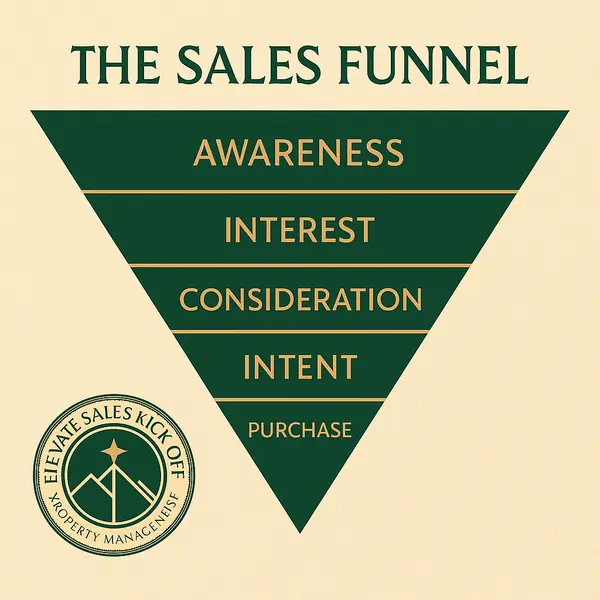
Sales methodologies, strategy, and a clear selling strategy play a huge part in how you win deals and grow a business. They shape the way you approach new prospects and how you close with method sales that feel natural and steady.
Once you understand sales methods and strategy, your performance starts to shift in a real way. It becomes less about pushing a product and more about connecting with people.
If you’re new to all this, learning sales strategies can feel overwhelming. With some guidance, it turns into a process you can handle and build on.
This guide breaks down the world of sales into something that makes sense. You’ll walk through different sales methodologies and strategies that support your growth.
You’ll see how lead generation, closing techniques, and building a solid sales framework all play a part in how you sell.
You’ll also get a look at popular sales methodologies and how you can put them to work. Whether you’re starting your career or running a small business, this guide gives you a helpful starting point.
By the end, you’ll understand the basics of sales methods and strategy and how everything fits together. Let’s walk through it step by step.
Table of Contents
Sales methods and strategy shape how you operate. They give your day-to-day work some direction and keep everything focused.
A sales method gives you a repeatable way to sell. It lays out the steps and techniques that help you move a prospect forward.
A sales strategy sets the bigger plan for what you want to accomplish. It shows you where you’re going and keeps your sales activity aligned with the company’s goals.
When these work together, your team stays consistent with how you talk to customers and how you close deals.
A sales methodology gives you clear principles and practices to follow during sales conversations.
These selling methodologies guide you through steps that support better outcomes. They offer a roadmap you can rely on at every stage of the sales process.
Common parts of sales methodologies include:
Prospecting techniques
Questioning strategies
Closing strategies
When teams follow a set methodology, they usually see more consistency. That often leads to better numbers and happier customers.
A solid sales strategy gives your team direction. It keeps everyone focused on the same goals.
Your strategy lines up your sales targets with the company’s larger plans. That way everyone knows what matters most.
Key parts of a strong sales strategy include:
A clear target market
KPIs you can measure
A clear difference from your competitors
A simple strategy helps you use your resources in smarter ways. It also lets you adjust quickly when the market changes.
Keeping your sales strategy updated helps you stay steady even when things shift around you.
Sales methodologies give you a structure to follow so you can guide deals from start to finish. They give you tools you can use in different selling situations.
Each one brings something different, so understanding them helps you choose the right fit for your team and your buyers.
Sales methodologies differ in how they approach the buyer. Some lean heavily on relationships. Others focus on solving problems.
The best choice depends on your product, your buyer’s behavior, and your sales environment.
Common types include:
Solution selling that focuses on understanding the buyer’s needs
Consultative selling that builds trust through helpful conversations
Insight selling that gives buyers new information or a new way to look at the problem
Each approach offers something different. Knowing these differences helps your team choose the right one based on the situation.
Some sales methodologies are used everywhere because they work across many industries.
SPIN Selling focuses on the buyer’s situation, problems, implications, and needs. This method creates deeper engagement.
The Challenger Sale teaches reps to guide the conversation and offer new thinking. It works well when deals are complex.
The Sandler Selling System builds trust by setting clear expectations with the prospect.
Well known methodologies include:
Each one addresses a different set of challenges. Picking the right one can support stronger conversion rates and happier customers.
Every buyer has a reason they’re looking for help. When you understand that reason, your conversation feels more helpful.
Learn motivation by asking:
What made you look for help now
How long this has been on your mind
What happens if this problem continues
What you hope things look like after this is fixed
These questions help the buyer open up and also guide your approach.
Selling big deals takes more structure and a clear plan. These deals involve more people, longer timelines, and higher expectations.
The Miller Heiman Strategic Selling approach is a strong fit for big deals because it focuses on understanding all the decision-makers.
Value Selling shows the buyer the real benefits of your offer. This makes it easier for them to justify the purchase.
Useful methods for bigger deals include:
These methods help you guide large opportunities without losing track of what matters to each person involved.
Price talks feel easier when you treat price as part of the story, not the moment of pressure.
A simple approach:
Bring up price after the buyer understands their problem
Keep your explanation short and clear
Stay calm if they push back and ask what feels off
Use questions to uncover what they need clarity on
A calm tone helps the buyer feel comfortable and prevents tension.
Sales techniques and strategies help you move deals forward and close with confidence. They shape your conversations and support the buyer’s decision-making.
When used correctly, these tools can turn warm leads into loyal customers. Strong strategies support your team’s effort long term.
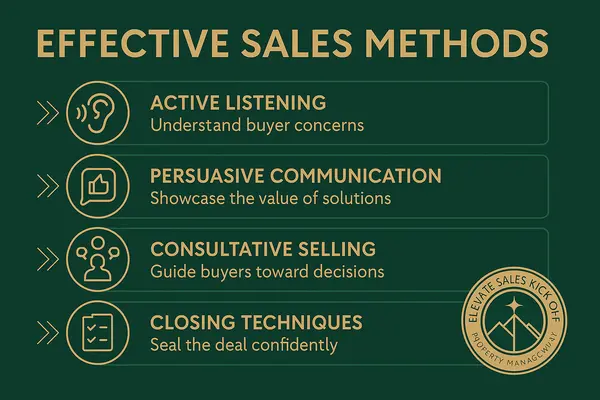
When you master key sales techniques, you give yourself a natural advantage. These techniques help you build trust, show value, and get past objections.
Active listening helps you understand what your buyer cares about. It builds trust quickly.
Persuasive communication helps you show why your offer matters without feeling pushy.
Good questioning techniques uncover deeper needs so you can tailor your pitch.
Helpful techniques include:
Active listening
Persuasive communication
Effective questioning
Handling objections
Closing techniques
Getting comfortable with these techniques increases your closing rates and improves customer satisfaction.
Buyers want to talk to a real person, not someone using a script. You can make your conversations feel smoother by focusing on the buyer.
Helpful moves include:
Ask simple questions that help the buyer open up
Slow your pace so the call feels calm
Repeat key points in your own words to show you’re listening
End with the next step so the path stays clear
These actions make the conversation feel easy for both sides.
A strong selling strategy helps your team move in the right direction. It sets priorities and keeps everyone aligned.
A customer-focused approach builds trust and long-term loyalty.
Consultative selling positions you as a guide. You support the buyer and help them see the best path forward.
Sales and marketing alignment also helps because it keeps your messaging consistent.
Important parts of a strong strategy include:
Customer focus
Collaboration with marketing
A consultative approach
Data-driven decisions
Steady adjustments over time
Good sales strategies support immediate progress and long-term stability.
Sales techniques and sales strategies are related, but they play different roles.
Techniques are the things you do during a conversation or meeting. They guide your actions with the prospect.
Strategies give you the overall plan. They set the direction for everything your team does.
Key differences include:
• Techniques shape daily interactions
• Strategies set long-term goals
• Techniques guide behavior
• Strategies guide planning
Using both together helps your team run smoother and stay consistent.
A strong sales framework helps you stay consistent and makes your sales process easier to follow.
It gives you a clear path from lead generation to close.
Building a steady framework takes planning.
Start by setting clear sales goals. These should line up with the company’s most important objectives.
Next, narrow down your target market and build buyer personas. This keeps your messaging focused.
Create repeatable steps for each stage of your sales cycle. This includes nurturing leads, pitching, negotiating, and closing.
Review the framework often and adjust as needed. Your sales team should be involved so you get real insight into what works.
Key steps include:
Set sales goals
Identify your target market
Standardize your processes
Get feedback from your team
Review the framework often
Following these steps helps you build a system that supports steady results.
A good sales process methodology includes several important pieces.
Lead generation introduces your offer to new prospects.
Lead qualification helps you avoid wasting time on people who aren’t a fit.
A clear sales pitch shows the value of your product in a simple way.
Handling objections helps you move deals forward.
Closing techniques help you seal the deal and support revenue growth.
Key components include:
Lead generation strategies
Lead qualification
A clear pitch
Objection handling
Closing techniques
Each part adds structure to your process and keeps everything predictable.
It’s normal to feel unsure when you start selling. Confidence grows when you follow simple habits that make each step feel easier.
Try focusing on:
Short daily practice that helps you warm up before calls
Reviewing past conversations to see what felt smooth or awkward
Noticing patterns so you can repeat what worked
Learning your buyer’s world to make conversations feel natural
These small habits build steady confidence over time.
Integrating sales techniques into your framework helps your team use them consistently.
Match each technique to the right stage of your sales process.
For lead generation, use social selling and content marketing.
During your pitch, focus on storytelling and persuasive communication.
When facing objections, use active listening to understand the buyer’s concerns.
Training and mentorship help your team apply these techniques correctly.
Technique integration includes:
Matching techniques with process stages
Using social selling for leads
Ongoing training
Mentorship to support skill growth
This makes your sales framework stronger and more effective.
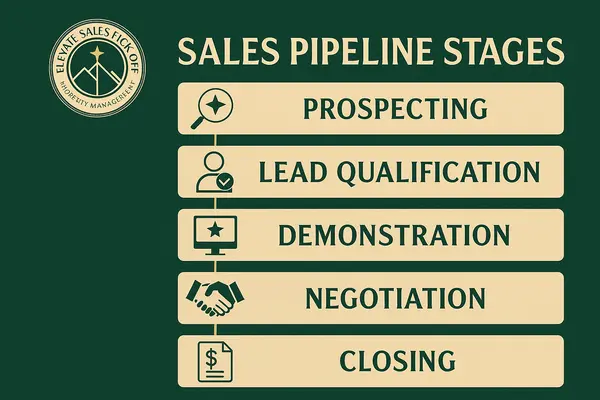
Sales pipeline management helps you keep deals moving. It also helps you spot slowdowns and fix them before they hurt your numbers.
A healthy pipeline supports more consistent revenue.
Sales funnel optimization helps you improve each stage of your funnel.
Start by attracting the right people with targeted content.
Once they enter your funnel, keep them engaged with personalized messages and helpful offers.
Use analytics to track where prospects drop off. Adjust your funnel whenever something isn’t working.
Automation tools can help you stay on top of follow-ups.
Helpful techniques include:
• Targeted content
• Personalized nurture messages
• Funnel reviews
• Automation tools
These steps help you maintain a steady flow of leads. Deals often stall because buyers get busy. You can keep things moving without feeling pushy.
Useful habits include:
Short check-ins that feel friendly and simple
Clear next steps the buyer can finish quickly
Removing friction so tasks feel easy
Sending short recaps after calls to avoid confusion
These steps help buyers stay engaged.
Good pipeline management keeps everything organized.
Define each stage clearly so your team knows where deals stand.
Keep your data updated so forecasts stay accurate.
Review the pipeline regularly and encourage communication between team members.
Useful practices include:
Clear pipeline stages
Accurate data
Regular pipeline reviews
Strong communication
These steps help your pipeline stay reliable over time.
If you’re just starting out, lead generation can feel like a lot. Focus on simple moves that match your strengths.
Social media helps you reach people easily.
Content that speaks to your audience builds interest and trust.
Joining online communities helps you build credibility.
Try different tactics until you find what works.
Good beginner strategies include:
Using social media
Creating helpful content
Joining online communities
Testing different approaches
These steps help you create a dependable lead generation routine.
Tracking your progress helps you understand what is working and what needs adjustment.
It also helps you react quickly when the market changes.
KPIs help you measure your sales performance.
Sales growth, conversion rates, and customer acquisition cost are all useful.
Average deal size helps you understand the quality of your deals.
Lead response time plays a big part in customer satisfaction.
Helpful KPIs include:
Sales growth
Customer acquisition cost
Conversion rates
Average deal size
These indicators give you clear insight into how your sales efforts are performing.
The right tools help you gather data and make decisions with confidence.
A CRM helps you track customer interactions and deal activity.
Tools like Google Analytics help you understand website performance and lead behavior.
Sales force automation software keeps your workflow steady.
Useful tools include:
These tools help you track progress and adjust when needed.
Lost deals help you grow if you take time to look at what happened.
Ask yourself:
What went well
What felt off
Where the buyer hesitated
What you’ll change next time
This simple review helps you find patterns that make you stronger.
Improvement is an ongoing process. Reviewing your approach regularly keeps you sharp.
Feedback from your team and customers helps you find better ways to sell.
Training sessions and coaching help your team learn new skills.
Helpful steps for improvement include:
Strategy reviews
Feedback from the team
Ongoing learning
These steps help your sales approach grow with the market.Growth in sales builds over time with steady habits.
Focus on:
Regular practice
Active listening
Reviewing your deals
Staying connected with mentors and peers
When you treat sales as a skill you grow step by step, you feel more confident and buyers feel more comfortable working with you.
Ready to Take Your Sales Skills Further?
If you want deeper training and real conversations with people who live and breathe sales, join us at the Elevate Sales Kick Off 2026 Conference. You’ll learn from top performers, practice new skills, and walk away with tools you can use right away.
Seats go fast each year, so save your spot now.